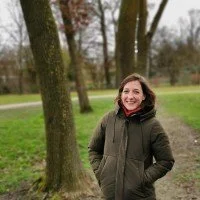
Dr. Anna S. Duden
Anna studies how changes in climate, land use, and natural resources shape our environment. Her work combines environmental modelling with questions about how we use and manage land and water, with a particular interest in nature-based solutions, biodiversity, agriculture, and sustainable resource management. She has worked on environmental impacts of land use change in the Netherlands, Brazil, and the United States.
Project Leader, Assistant Professor
Copernicus Institute of Sustainable Development
Dr. Heidi D. Mendoza
Heidi is a researcher, storyteller, and creative writer working at the intersections of environmental humanities, climate risk, science communication, and art. Through storytelling, drawing, and creative place-based methods, she collaborates with communities to explore how they live with, remember, and anticipate environmental change brought about by hydroclimatic risks such as droughts and floods. Her PhD research unpacked these entangled elements in the context of Peruvian Amazon.
Postdoctoral Researcher,
Game and learning Kit developer
Copernicus Institute of Sustainable Development, Utrecht University &
Public Administration and Policy, Wageningen University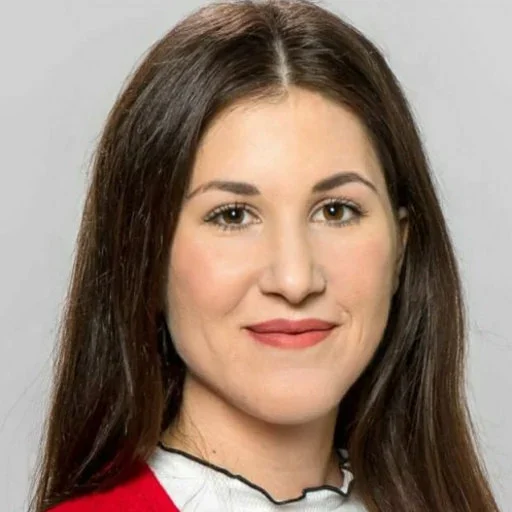
Assistant Professor
Department of Pedagogical and Educational Sciences
Dr. Despoina D. Georgiou
Despoina is an Assistant Professor in the Department of Pedagogical and Educational Sciences and a research lead and coordinator of the HER group at the Centre for Academic Teaching and Learning at Utrecht University. Her research focuses on teaching and learning in higher education, particularly on how innovative learning environments can foster educators’ and students’ professional growth.
Assistant Professor
Copernicus Institute of Sustainable Development
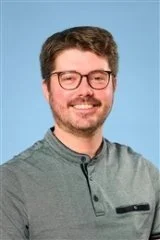
Dr. Arie Staal
Arie studies how feedbacks within ecosystems, and between ecosystems and the climate, amplify or dampen the effects of global changes. Much of my research has focuses on the Amazon rainforest, addressing the question whether global climate change and deforestation may trigger tipping points of self-propagating forest loss. A technique I use to understand regional-scale feedback between forests and rainfall is atmospheric moisture tracking, which is a method to model the atmospheric trajectories of water.
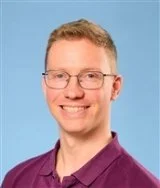
Dr. Gerbrand Koren
Assistant Professor
Copernicus Institute of Sustainable Development
Gerbrand studies how climate change and extreme weather events affect ecosystems and society. Using satellite observations, environmental data, and modelling, he investigates the impacts of droughts, heatwaves, and other climate extremes, including how multiple events can interact and amplify their effects.
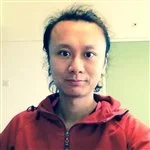
Assistant ProfessorCopernicus Institute of Sustainable DevelopmentDr. Jing Hu
Jing is an interdisciplinary researcher specialising in the modelling of the transition of energy systems towards net-zero emissions under changing socioeconomic and hydroclimatic conditions, considering multiple dimensions of the sustainable development goals.
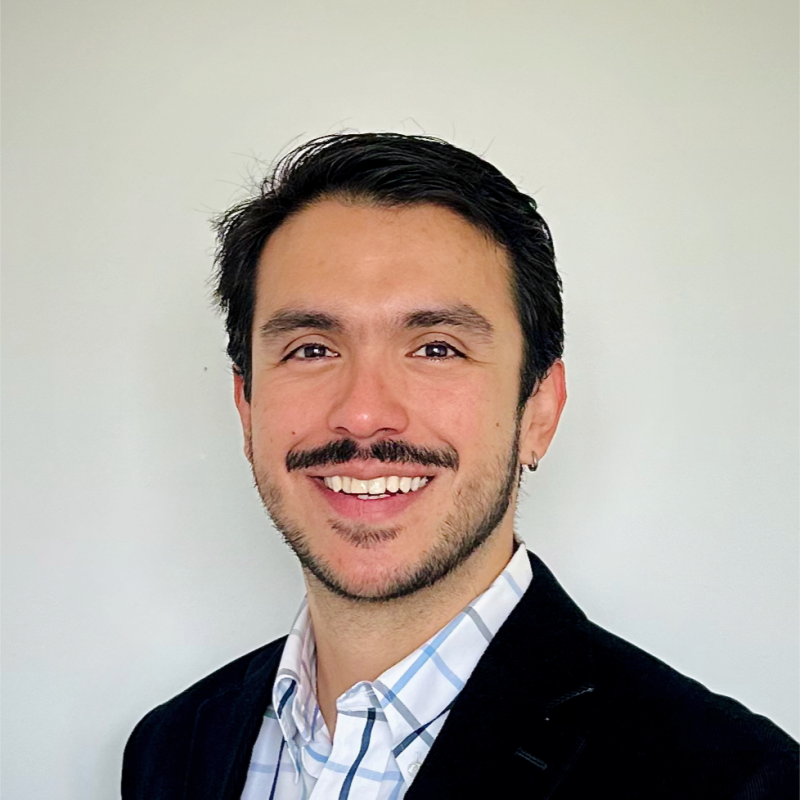
Dr. Alejandro Fernandez Jimenez
Postdoctoral Researcher, Copernicus Institute of Sustainable DevelopmentAlejandro’s work focuses on understanding climate and weather extremes, including how different environmental conditions combine to create risks for ecosystems and society. He uses climate modeling, data science, and observations of past and present climate to better understand these complex interactions.